The best time to visit Mauritius is from April to June and from September to early November: expect 25-28°C, a calm lagoon, little rain and hotel rates 20-30% below festive-season peaks. That said, Mauritius works all year. The austral summer (November to April) is hot, green and humid, with a cyclone watch from January to March; winter (May to October) is drier and cooler, with southeast trade winds that hit the east coast hardest in July and August. The wind matters more than the rain: choose the sheltered west and north coasts in winter, and the breezier east in high summer. As a guide from our own bookings, a week for two in a good 5-star costs $6,000-10,000 with flights during the shoulder months, and 30-50% more over Christmas and New Year. Tell us your month and we'll send you the best window, priced.
The Best Time to Visit Mauritius at a Glance: Two Seasons, Not Four
Forget four seasons — Mauritius has two, and they flip the European calendar. The austral summer runs from November to April: temperatures of 28-33°C on the coast, a warm lagoon at 27-29°C, lush green cane fields, short tropical downpours in the afternoon and higher humidity. It's the island at its most photogenic, and it's when Mauritians themselves head to the beach. The trade-off is the cyclone watch between January and March — direct hits are rare, but grey, wet spells do happen.
The austral winter, May to October, is the mirror image: drier, sunnier skies, 22-26°C by day, cooler evenings where a light sweater is welcome, and the southeast trade winds blowing steadily. Sea temperature bottoms out around 23°C in August — brisk for a tropical island but perfectly swimmable. This is peak season for South African and Australian travellers, for kitesurfers at Le Morne, and for anyone who prefers hiking Black River Gorges without the summer humidity.
So when is the best time to visit Mauritius? For most travellers, the two shoulders: April to June, when the summer heat softens but the lagoon is still warm, and September to early November, when the winter winds fade before the festive crowds arrive. You get most of the summer's beauty with a fraction of its humidity — and hotel rates that sit 20-30% below the December peak.
One honest caveat from the island: no month is a guarantee. We've had radiant Februaries and grey Octobers. What the calendar does control reliably is wind, crowds and price — and those three you can plan around with precision. That's exactly what we do when you give us your dates and budget: we match the month to the right coast and the right hotel, then show you the price before you commit.
Month by Month: What Each Window Really Feels Like
January to March is deep summer: 30-33°C, dramatic skies, mango season, and the liveliest festivals — Thaipoosam Cavadee and Chinese New Year both fall in this window. It's also cyclone season. Most years pass with nothing worse than a few intense downpours, but flexibility matters: we build our January-March itineraries around resorts that handle wet days well — big spas, covered restaurants, kids' clubs — and we tell you honestly that this is the island's gamble window. Rates outside the New Year weeks are genuinely attractive.
April to June might be our favourite recommendation of all. The humidity breaks, the sea is still 26-28°C, visibility for snorkeling and diving peaks, and the light turns golden. May and early June are quietly brilliant: uncrowded beaches, easy restaurant bookings, and 5-star rooms at rates you won't see again until the following May. If your dates are flexible and you want maximum island for your money, aim here.
July and August are the coolest months — 22-25°C by day — and the windiest, with trade winds regularly above 25 km/h on the east coast. Belle Mare's magnificent lagoon can feel like a wind tunnel at breakfast; the west coast around Flic en Flac and the north around Grand Baie stay sheltered and sunny. It's UK school-holiday season, so family demand is high: book four to six months ahead. Kitesurfers, this is your moment at Le Morne.
September and October are the insiders' window: the winds ease, temperatures climb back to 26-28°C, and the whole island exhales before the festive rush. Early November extends the streak. Then December splits in two — the first half is warm, green and reasonably priced, while the Christmas-New Year fortnight is the most expensive moment of the year, with flagship suites commanding 40-50% premiums and the best rooms selling out by August.
stays from $5,000 to $50,000 all-inclusive — quote within 24 h
Get my quote within 24 hWhich Coast at Which Time of Year
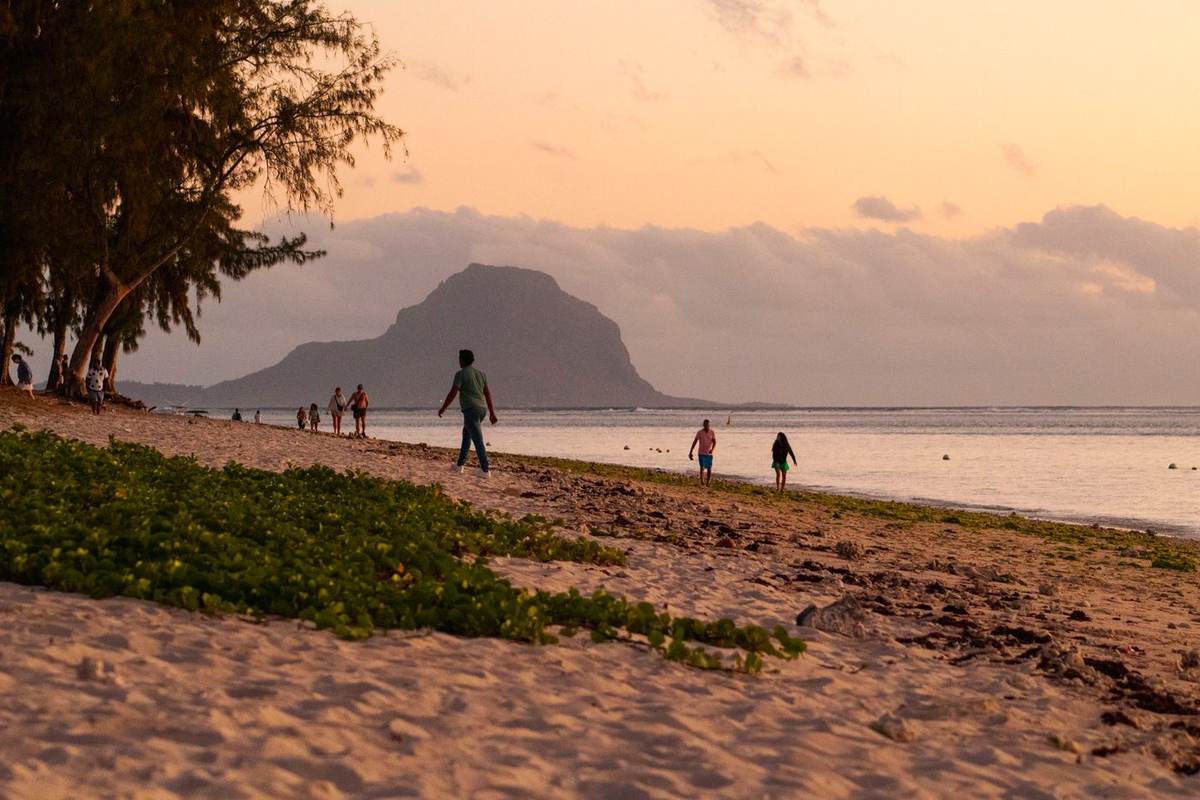
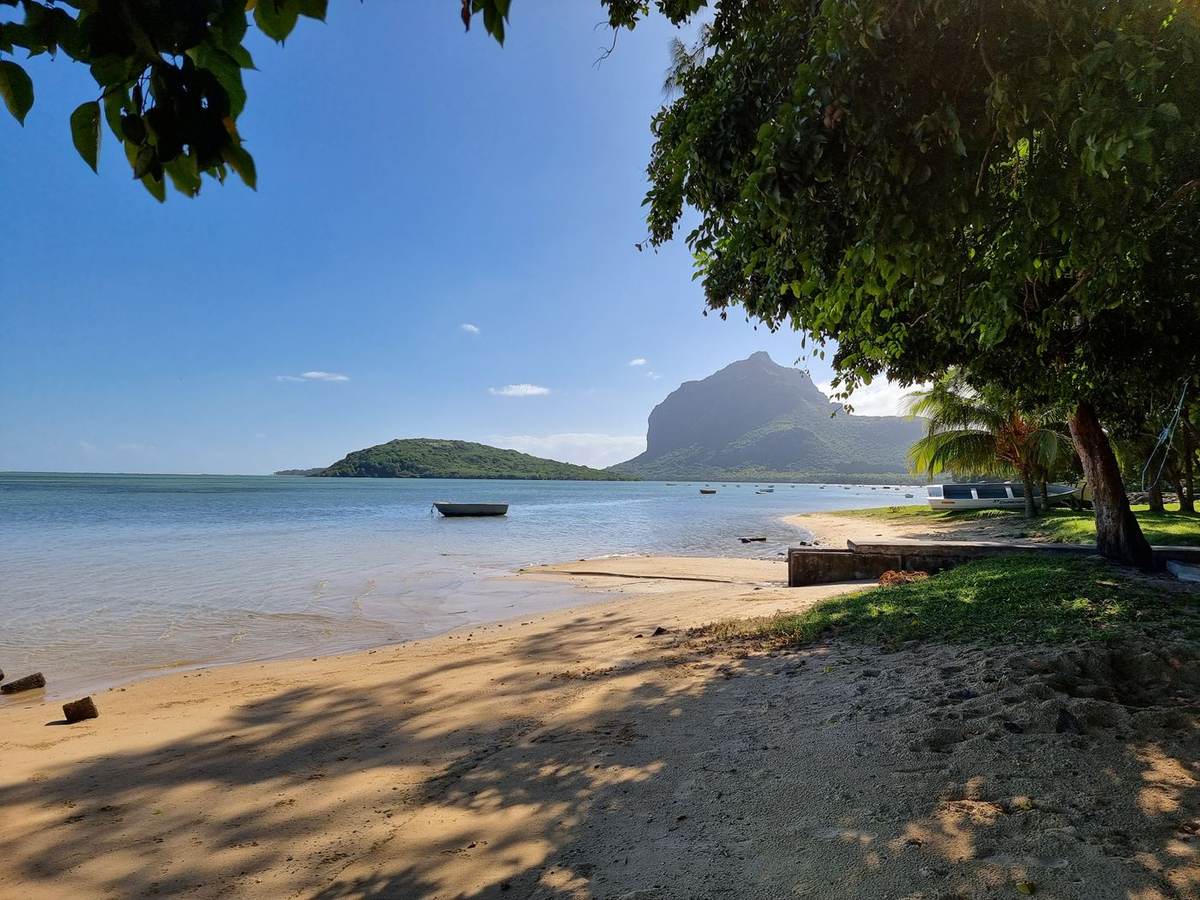
The west coast — Flic en Flac, Tamarin, Le Morne — is the island's safe bet. Sheltered from the trade winds by the central mountains, it stays calm even in July-August, serves the best sunsets in Mauritius, and puts you close to the Tamarin Bay dolphins and the Chamarel mountains. If you're travelling in winter, or you simply can't decide, we'll usually point you west — it's the coast that almost never disappoints.
The north — Grand Baie, Trou aux Biches, Cap Malheureux — is the lively option: beach restaurants, boutiques, easy evenings out, and calm, shallow water nearly year-round. Trou aux Biches beach is arguably the island's best all-rounder for swimming. The north suits travellers who want to leave the hotel after dark without a 40-minute drive, and it's well protected from the southeast winds in winter too.
The east — Belle Mare, Trou d'Eau Douce, Poste Lafayette — owns the grandest lagoons and some of the most spectacular resorts in the Indian Ocean, plus the launchpad to Île aux Cerfs. From November to April, and again from late September, it's paradise. In July and August, though, the trade winds hit it head-on: fine for kitesurfing and sleeping with a breeze, frustrating for a flat-calm beach week. We don't book east-coast beach holidays in deep winter without warning you first.
The wilder south — Bel Ombre, Souillac, St Félix — trades big lagoons for dramatic scenery: cliffs at Gris Gris, the Heritage estate's golf and nature reserve, and far fewer tourists. It sits slightly cooler and breezier than the west all year. Choose it in the November-May window for the best of both worlds: gorgeous weather and an authentic corner of the island most visitors never see.
Best Time to Visit Mauritius for Honeymoons, Families and Golfers
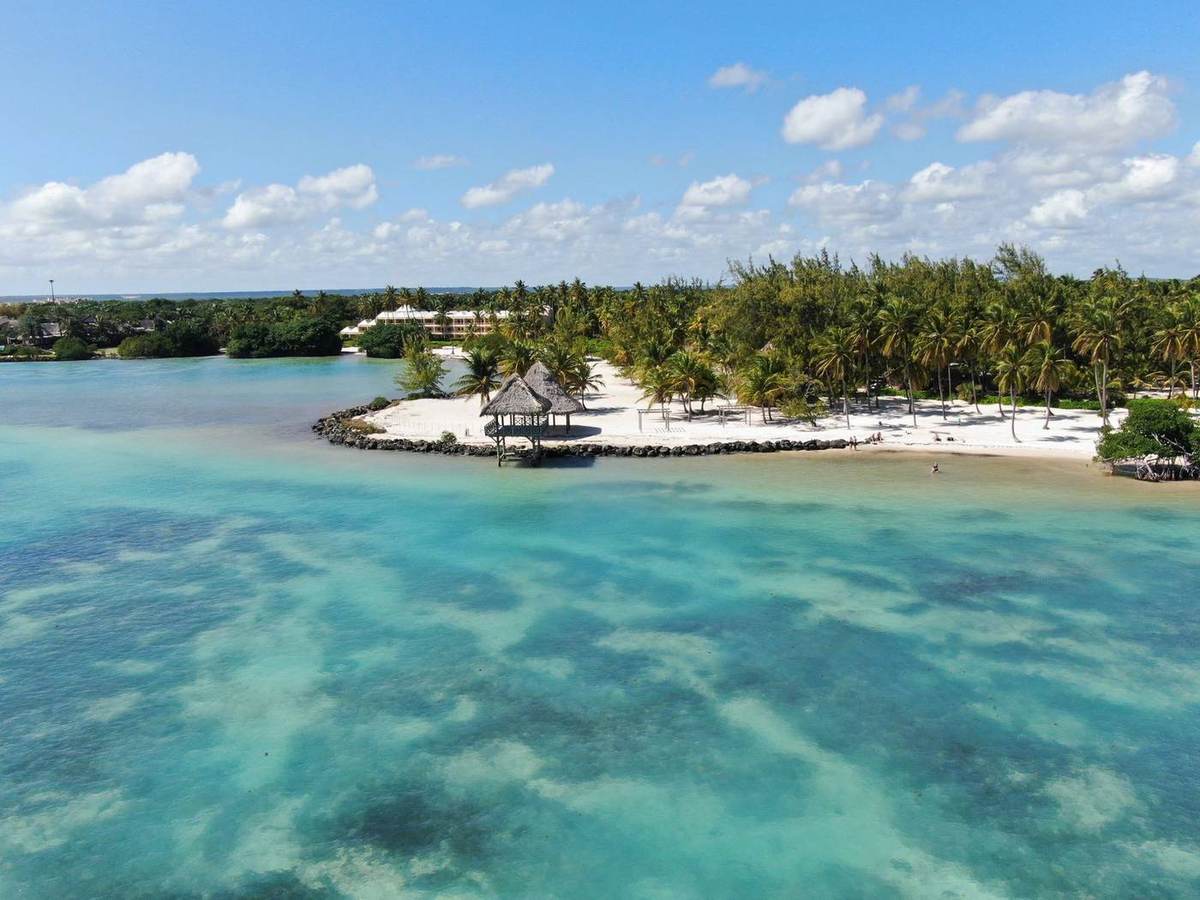
For honeymooners, the best time to visit Mauritius is usually September to early November or late April to June: romantic light, calm seas for catamaran sunsets, and shoulder-season rates that let the same budget buy a better suite. Many couples marry in the European summer and fly out in September — the timing is genuinely perfect. If your wedding lands in winter, go west coast and you lose almost nothing.
Families are usually tied to school holidays, so the honest question becomes which holiday. Easter and October half-term are excellent — warm, safe, moderately priced. July-August works well if you book the west or north coasts and a resort with a strong kids' club. Christmas is magical but commands the year's highest prices; if you go, book by August and budget 30-50% above October levels for the same rooms.
Golfers get their best conditions from May to October: cooler air, firm fairways and that steady breeze that makes Île aux Cerfs Golf Club and Heritage in Bel Ombre genuinely fun tests. Summer golf means early tee times before the heat builds. Green fees don't swing much with the seasons — hotel rates do, so a May golf week can cost noticeably less than the identical trip in December.
Living in Dubai, we're spoiled for luxury, but Maurice gave us something rarer: quiet. A private boat to Île aux Bénitiers, grilled lobster on the sand with Le Morne towering behind us, and a WhatsApp reply from our correspondent in minutes whenever we changed plans. Genuinely effortless.
What Your Dates Do to the Price
Here's the honest price picture from our own files, in US dollars per couple with international flights included. A week in a strong 4-star: $5,000-7,500 in shoulder season. A week in a genuine 5-star: $6,000-10,000 from April to June or September to November. The same 5-star week over Christmas-New Year: $9,000-15,000, with top suite categories climbing well past $20,000. Ten-day honeymoons in a 5-star typically land between $8,000 and $14,000 outside the peak weeks.
Flights drive part of that swing. London-Mauritius runs nonstop in about 12 hours with Air Mauritius or British Airways, and fares move sharply with school holidays; from the US, count on one stop via Paris, Dubai or Johannesburg and around 20 hours door to door. Booking flights four to six months out is the single easiest saving — often $300-600 per couple compared with late booking in busy periods.
Our role in this is simple: you tell us your month and your budget between $5,000 and $50,000, and within 24 hours your correspondent on the island sends back the best window and two or three priced options — real totals, flights included, no 'from' prices with asterisks. If a different week saves you 20% for the same experience, we'll say so. That transparency is the whole point of Ici Maurice.
« Everyone asks me about the rain; nobody asks me about the wind. Yet it's the wind that decides whether your east-coast breakfast in August feels like heaven or a wind tunnel. »— Your correspondent, Ici Maurice
FAQ
When is cyclone season in Mauritius?
Officially November to mid-May, but the real watch window is January to March. Direct hits are rare — the island gets brushed more often than struck — yet those months can bring several grey, wet days in a row. If you must travel then, pick a resort with great indoor options and keep one flexible day in your plans.
Is July a good time to visit Mauritius?
Yes, with one adjustment: stay west or north. July is dry, sunny and cool (22-25°C), ideal for hiking and golf, but the southeast trade winds make east-coast beaches blustery. Choose Flic en Flac, Tamarin or Grand Baie and you'll have a superb winter-sun week — exactly what our South African and European guests do.
What is the cheapest time to visit Mauritius?
May to early June, and again from mid-September to mid-October. Hotel rates sit 20-30% under the festive peaks, flights are calmer, and the weather is honestly lovely. A 5-star week for two that costs $12,000 at New Year can come in around $7,000-8,000 in these windows, flights included.
What is the best time to visit Mauritius for a honeymoon?
September to early November is our favourite: calm seas, golden light, warm days around 26-28°C and shoulder-season prices that stretch your suite budget. Late April to June is the equally lovely mirror window. If your wedding forces July-August, book the sheltered west coast; if it forces January-March, accept a small weather gamble for lush, dramatic scenery.
Can you swim in Mauritius all year round?
Absolutely. The lagoon ranges from about 23°C in August to 29°C in February, so swimming never stops — August simply feels refreshing rather than bath-warm. Snorkeling visibility is best in the calmer shoulder months. The only real constraint is wind on the east coast in July-August, which chops the lagoon surface rather than cooling it.